





Best Pure Sine Inverters for Powering Sensitive Vehicle Electronics
- Why waveform quality matters in vehicle electronics
- What a pure sine wave is (and how it differs from modified/modified sine)
- How waveform quality affects sensitive devices
- Peak vs continuous power and why both matter
- How to choose a car inverter pure sine wave for vehicles
- Power rating: continuous, surge, and headroom
- Efficiency, THD, and thermal design
- Protections, certifications and electromagnetic compatibility
- Top inverter types and real-world recommendations
- Entry-level portable pure sine inverters (small loads)
- Mid-range inverters for RV, truck or mobile office
- High-end inverter/chargers and portable power stations
- Installation, maintenance and troubleshooting in vehicles
- Wiring, fusing and placement
- Thermal management and ventilation
- Common failure modes and fixes
- Manufacturer highlight: Guangzhou Congsin Electronic Technology Co., Ltd.
- Company profile and strengths
- Product range, certifications and technical capabilities
- OEM/ODM capability and global reach
- Selecting the right car inverter pure sine wave — a practical checklist
- Step-by-step selection checklist
- Where to get verified specifications
- Frequently Asked Questions (FAQ)
- 1. Can I use a modified sine inverter for my car’s sensitive electronics?
- 2. How much surge capacity do I need?
- 3. Will a pure sine inverter damage my vehicle if installed incorrectly?
- 4. What certifications should I insist on for vehicle use?
- 5. How do I size cables and fuses for a 2000 W inverter on 12 V?
- Contact / Consultation & product links
I regularly advise fleet operators, RV owners and mobile technicians on selecting and deploying inverters. When you need reliable AC power for laptops, medical devices, vehicle control modules, or audio/video systems in cars, trucks and RVs, choosing the right car inverter pure sine wave is critical. In this article I summarize why waveform quality matters, how to size and evaluate inverters for vehicles, a comparative look at representative models and specifications (with authoritative sources), plus practical installation and maintenance guidance to keep sensitive electronics safe on the road.
Why waveform quality matters in vehicle electronics
What a pure sine wave is (and how it differs from modified/modified sine)
A pure sine wave inverter produces an AC output that closely matches the smooth sinusoidal voltage waveform provided by grid power. By contrast, modified (or modified square) wave inverters approximate that waveform with steps or pulses. For many simple resistive loads (heaters, incandescent lights) the difference is tolerable, but for electronics that include switching power supplies, microcontrollers, AC motors, or precision audio equipment, the cleaner waveform of a pure sine inverter significantly reduces electrical stress and noise. See the inverter overview on Wikipedia for background: https://en.wikipedia.org/wiki/Inverter_(electrical).
How waveform quality affects sensitive devices
I have seen multiple failure modes that trace back to poor waveform or high total harmonic distortion (THD): noisy audio, overheating power supplies, intermittent resets of industrial controllers, and in some cases shortened lifespan of variable frequency drives. THD is a measurable metric; the lower the THD (typically <3% for quality pure sine inverters), the less harmonic content stresses equipment. For technical context, see the Total harmonic distortion entry: https://en.wikipedia.org/wiki/Total_harmonic_distortion.
Peak vs continuous power and why both matter
Electronics often draw short bursts (inrush) many times higher than steady-state current—motors, compressors, or chargers are common examples. A car inverter pure sine wave must therefore be chosen for continuous rating (the power it can sustain) as well as surge rating (how long it can deliver higher power). I always recommend checking both ratings on datasheets and matching expected inrush with the inverter’s surge capability to avoid nuisance overloads.
How to choose a car inverter pure sine wave for vehicles
Power rating: continuous, surge, and headroom
Start with a list of devices you plan to run simultaneously. Sum the continuous power and then add expected surge capacity for any inductive loads. As a practical rule I advise at least 25–30% headroom above the calculated continuous load to avoid running the inverter at high stress levels for extended periods, which reduces thermal margin and lifetime.
Efficiency, THD, and thermal design
Efficiency affects battery drain and heat. Higher-efficiency inverters (typically 90%–95% at moderate loads) reduce energy loss and heat generation. THD is important for sensitive electronics; target devices with THD under 3% at typical loads. Also inspect cooling—forced air with thermostatic fans or larger passive heat sinks perform better in cramped vehicle compartments.
Protections, certifications and electromagnetic compatibility
Essential protections include over-voltage, under-voltage, short-circuit, overload, reverse polarity, and thermal shutdown. For vehicle use, look for inverters with automotive-grade transient protection and compliance with relevant safety and EMC standards (CE, EMC, LVD, FCC, ETL where applicable). Standards and certification context are discussed by ISO and other bodies; for example ISO 9001 sets quality management expectations: https://www.iso.org/iso-9001-quality-management..
Top inverter types and real-world recommendations
Entry-level portable pure sine inverters (small loads)
For charging laptops, running a small CPAP, or powering a modem in a vehicle, 300–1000 W pure sine inverters are often sufficient. Choose a unit with stable THD performance at low loads and a good low-noise cooling strategy—small fans can be noisy and less reliable in dusty environments.
Mid-range inverters for RV, truck or mobile office
For multi-appliance use—microwave, fridge, multiple laptops—I generally recommend 1000–3000 W pure sine inverters with robust surge capacity and built-in protection. Features to prioritize include remote on/off, hardwire kit option, and integrated AC outlets plus hardwired AC output for fixed installs.
High-end inverter/chargers and portable power stations
For full onboard power systems with battery charging and seamless transfer from shore or generator, inverter/chargers provide integrated management. For field operations I also evaluate portable power stations built on inverter technology; they combine a battery pack and inverter with integrated BMS and are often optimized for quiet operation.
| Category | Representative model (example) | Continuous W | Surge W | Efficiency / THD | Source |
|---|---|---|---|---|---|
| Entry | Renogy 1000W Pure Sine | 1000 W | 2000 W | ~90% / THD <3% | Renogy product page |
| Mid | AIMS 2000W Pure Sine | 2000 W | 4000 W | ~90% / THD <3% | AIMS product page |
| High / Marine | Victron Phoenix 12/1200 (series) | ~1200 W | 2400 W | ~92% / THD <2% | Victron inverters |
| Portable power station | Goal Zero Yeti 1000X (example) | 1500 W (inverter peak varies by model) | 3000 W | ~90% / THD low | Goal Zero product family |
Notes: model choices above are representative and chosen to illustrate typical specifications from trusted manufacturers. Always verify the exact spec sheet for the precise model you intend to purchase.
Installation, maintenance and troubleshooting in vehicles
Wiring, fusing and placement
I insist on oversized battery wiring (short, large gauge) to minimize voltage drop and heat. Fuse the positive feed close to the battery with an appropriately rated ANL or similar fuse sized for the inverter’s maximum continuous current. Place the inverter where ventilation is reliable and where exhaust heat will not affect other equipment. For detailed guidance on vehicle electrical safety and wiring best practices consult manufacturer installation manuals and automotive electrical standards.
Thermal management and ventilation
Vehicle compartments can reach high ambient temperatures. Ensure the inverter’s rated ambient temperature is compatible with placement. If the inverter is fan-cooled, provide a dust filter and avoid locations that funnel road dust into the unit. For sealed or convection-cooled units, check that airflow pathways remain unobstructed.
Common failure modes and fixes
Typical problems I encounter include: blown input fuses (often from undersized cabling), tripping from sustained overloads (insufficient headroom), and thermal shutdown (poor ventilation). Troubleshooting steps: (1) verify DC input voltage at the inverter under load, (2) inspect and measure voltage drop across fuses and cable, (3) temporarily reduce load to isolate the fault, and (4) consult the inverter fault LED code or remote monitor log.
Manufacturer highlight: Guangzhou Congsin Electronic Technology Co., Ltd.
Company profile and strengths
As someone who evaluates supplier capabilities, I find Guangzhou Congsin Electronics notable for long-term focus and vertical manufacturing competence. Founded in early 1998, Congsin brings over 27 years of experience in power inverter design and manufacturing. Their emphasis on DC→AC inverters, portable power stations and solar charge controllers makes them a relevant partner for vehicle power solutions and integrated mobile systems.
Product range, certifications and technical capabilities
Congsin’s catalog covers 100+ models tailored for vehicles, RVs, trucks, off-grid homes and portable fieldwork. They operate fully automated production lines and advanced testing equipment to ensure reliability. Their quality system is ISO9001 certified (ISO9001), and many products carry international approvals such as CE, EMC, LVD, ETL, FCC, RoHS and E-MARK. Several patents and in-house R&D attest to their commitment to innovation. Core products include Solar Charge Controller, modified sine wave inverter, pure sine wave inverter, and portable power stations.
OEM/ODM capability and global reach
Congsin supports OEM/ODM, private labeling and bespoke customization for international distributors. Their products serve markets across Europe, the Americas, the Middle East, Africa and Southeast Asia, and many models are supplied to global OEM channels. In my experience, working with a manufacturer that combines breadth of model offerings, automated production and international certification simplifies compliance and market entry.
Selecting the right car inverter pure sine wave — a practical checklist
Step-by-step selection checklist
- Inventory your loads — list continuous power and startup (surge) power.
- Choose inverter continuous rating ≥ calculated continuous load + 25% headroom.
- Verify surge rating covers the highest expected inrush.
- Check THD specs <3% for sensitive electronics and efficiency ≥90% where possible.
- Confirm automotive transient protection and protection features (OV/UV/short/thermal).
- Confirm certifications required for your market (CE, ETL, FCC, E-MARK as relevant).
- Plan wiring, fusing and thermal layout before purchase to ensure safe installation.
Where to get verified specifications
Use manufacturer datasheets and certification listings. Trusted manufacturers (Victron, Renogy, AIMS, Goal Zero and specialized makers like Guangzhou Congsin) publish detailed spec sheets and test reports. Cross-reference datasheet claims with independent test reviews where available.
Frequently Asked Questions (FAQ)
1. Can I use a modified sine inverter for my car’s sensitive electronics?
Short answer: generally no. Modified sine inverters may cause noise, heating, or erratic behavior in sensitive electronics. For laptops, medical devices, variable-speed motors and audio, I recommend a true pure sine inverter to avoid compatibility issues and potential damage.
2. How much surge capacity do I need?
Surge capacity should cover the highest expected inrush. For small motors or compressors, surge can be 2–4× continuous power for a few seconds. Check device datasheets (e.g., motor locked-rotor current) and ensure the inverter’s surge rating and its allowed surge duration meet that requirement.
3. Will a pure sine inverter damage my vehicle if installed incorrectly?
Installation errors—incorrect wiring, missing fuses, undersized cabling—cause most field problems. A properly selected pure sine inverter will not damage your vehicle if installed to manufacturer instructions and protected with correct fusing. If you’re unsure, have a qualified automotive electrician perform the install.
4. What certifications should I insist on for vehicle use?
At minimum look for CE and EMC for electromagnetic compatibility in European contexts, and relevant regional approvals such as FCC in the U.S., E-MARK for automotive where applicable, and ETL or UL listings for safety. ISO9001 for the manufacturer adds confidence in quality systems. Confirm specific regulatory requirements for your market and vehicle type.
5. How do I size cables and fuses for a 2000 W inverter on 12 V?
Calculate maximum continuous current = continuous watts / DC voltage. For 2000 W at 12 V, I = 2000 / 12 ≈ 167 A (not accounting for inverter efficiency). Add a safety margin and use cable capable of sustained current (e.g., 2/0 AWG or larger depending on run length) and place an ANL fuse near the battery rated slightly above expected continuous current but below cable ampacity. Refer to the inverter’s installation manual for precise recommendations.
Contact / Consultation & product links
If you need assistance selecting or customizing a car inverter pure sine wave solution for your vehicle fleet, RV or portable project, I can help specify the right capacity, protection and installation plan. For manufacturing or supply inquiries, Guangzhou Congsin Electronic Technology Co., Ltd. offers a wide range of pure sine wave inverters, portable power stations and solar charge controllers with OEM/ODM services. Contact the supplier or request a consultation to evaluate models and obtain datasheets, certifications and custom options.
References and further reading:
- Inverter (electrical) — Wikipedia: https://en.wikipedia.org/wiki/Inverter_(electrical)
- Total harmonic distortion — Wikipedia: https://en.wikipedia.org/wiki/Total_harmonic_distortion
- Victron Energy inverters (example specs): https://www.victronenergy.com/inverters
- Renogy 1000W Pure Sine inverter: https://www.renogy.com/renogy-1000w-12v-pure-sine-wave-inverter-remote/
- AIMS Power product examples: https://www.aimscorp.net/collections/power-inverters/products/2000-watt-pure-sine-inverter
- Goal Zero portable power stations: https://www.goalzero.com/collections/portable-power-stations/
- ISO 9001 — Quality management systems: https://www.iso.org/iso-9001-quality-management.
Best 240V Car Inverters for RVs and Mobile Workshops
Pure Sine Car Inverter Efficiency and Battery Compatibility Tips

The 2026 Ultimate Guide to Off-Grid Solar Panel Kits: Battery and Inverter Included [Complete Setup]

The 2026 Complete Guide to Bidirectional Inverters: Beyond the Basics of Energy Storage
Modified Sine Wave Inverters
Can this inverter run a refrigerator or power tools?
Recommended load ≤80% of rated power. For inductive loads, use a pure sine wave model.
Can it be used with a car cigarette lighter socket?
Yes, it supports both battery clip and cigarette lighter connection.
Which regional plugs are supported by the universal socket?
The universal socket is compatible with most national plug specifications, such as GB, US, EU, etc. (some require adapters), and can meet the use of devices in different regions.
Which plug types are supported by the universal socket?
The universal socket is compatible with most national plug specifications, such as GB, US, EU, etc., and can meet the use of devices in different regions (some require adapters).
Products
Can I customize the logo?
Yes, OEM/ODM service is available.
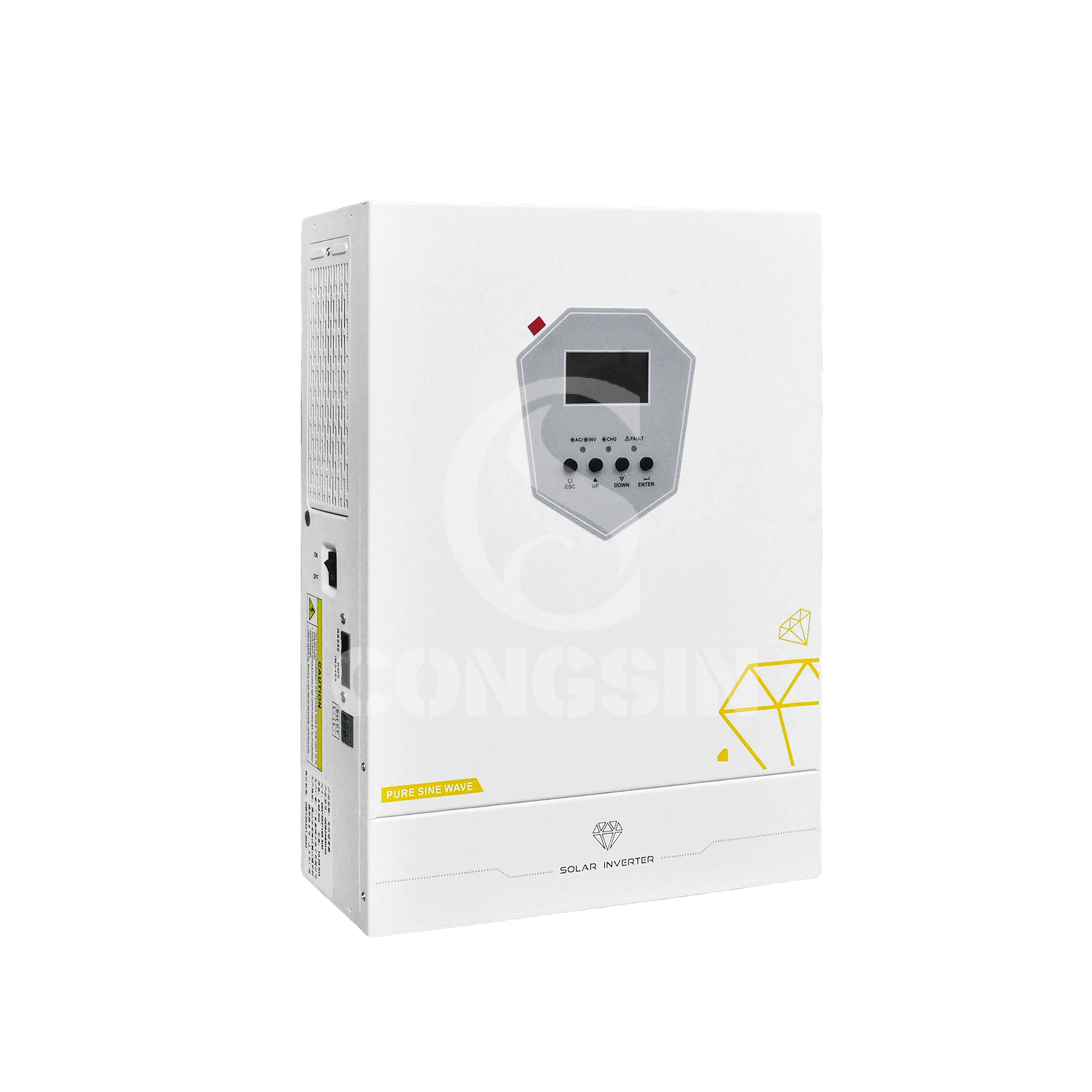
Factory Direct Sales 6000W Hybrid Solar Power Inverter with Controller and LCD Display
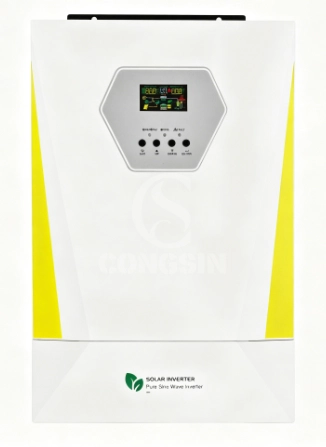
Congsin 4000W and 6000W Hybrid Inverter with Controller with LCD Display and CE Certification Solar
Power your solar system efficiently with the Congsin 4000W and 6000W Hybrid Inverter. Featuring an integrated MPPT Controller, this CE Certified inverter ensures optimal energy conversion. Monitor performance effortlessly via the intuitive LCD Display. Reliable, powerful, and ready for your sustainable energy needs.
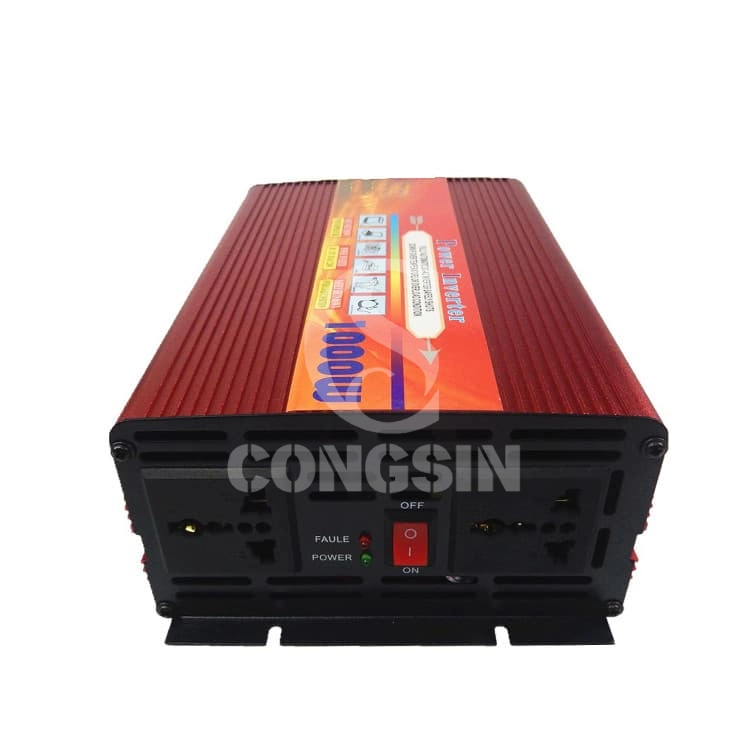
Congsin Manufacturer Wholesales Big Capability Modified Sine Wave Inverter with Red case and Double fan
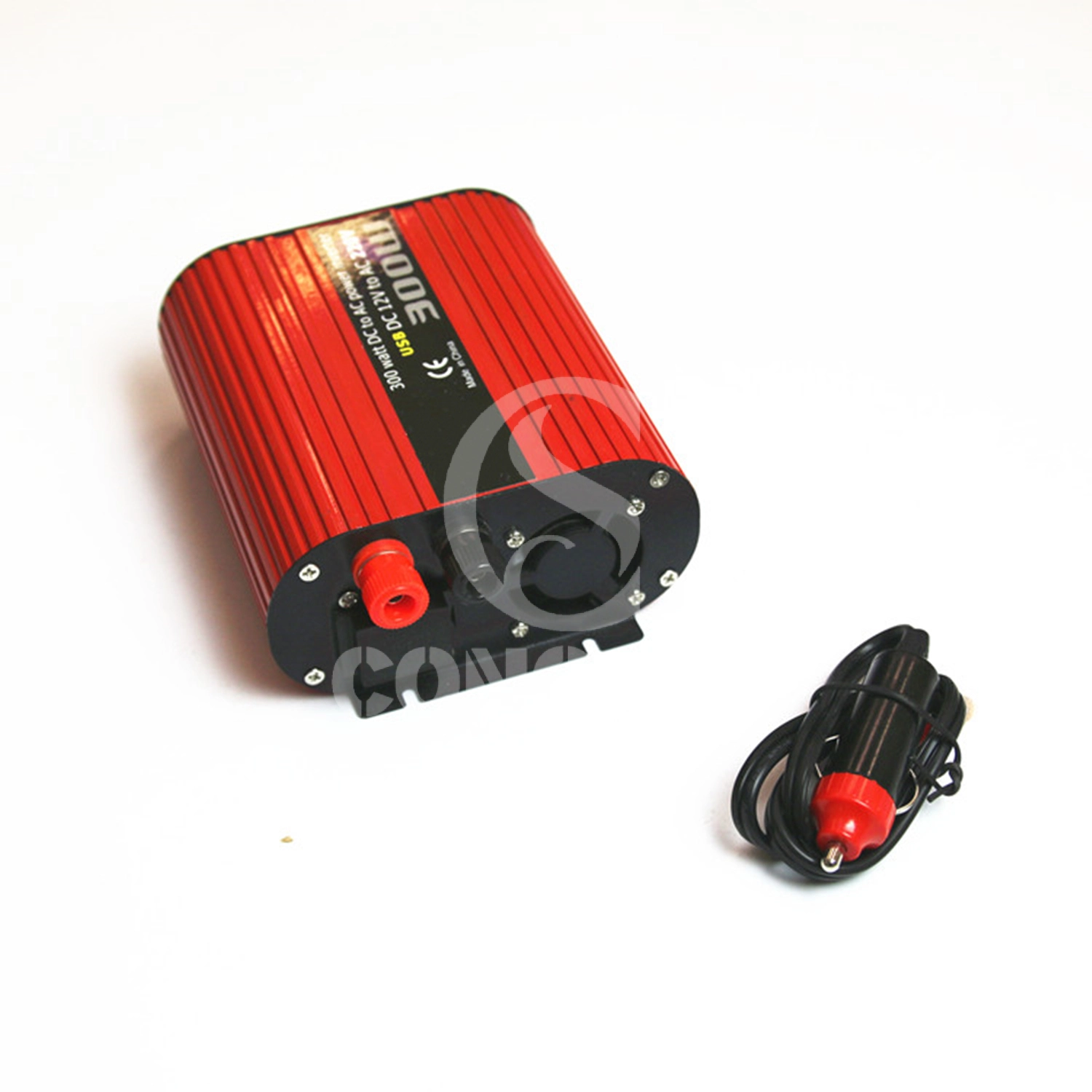
Factory Direct Sales Portable 150W Modified Sine Wave Inverter DC12V to AC220V Off-grid Sine Wave Inverter with Two USB and Universal Socket
Congsin's Portable 150W Modified Sine Wave Inverter powers your journey! This versatile Car Power Inverter with USB acts as a reliable 12V to 220V converter, ensuring an essential off-grid power supply. With dual USB ports and a universal socket, enjoy convenient power on the go.

CONGSIN is a trusted OEM factory for power inverters, solar charge controllers, and DC converters. Reliable solutions for global B2B buyers.
 High Quality
 7/24 Service
 Guaranteed Warranty
© 2025 Congsin. All Rights Reserved.
 WeChat
 Scan QR Code
sin cong
teaimei10
Whatsapp: +8618028086791
Scan QR Code